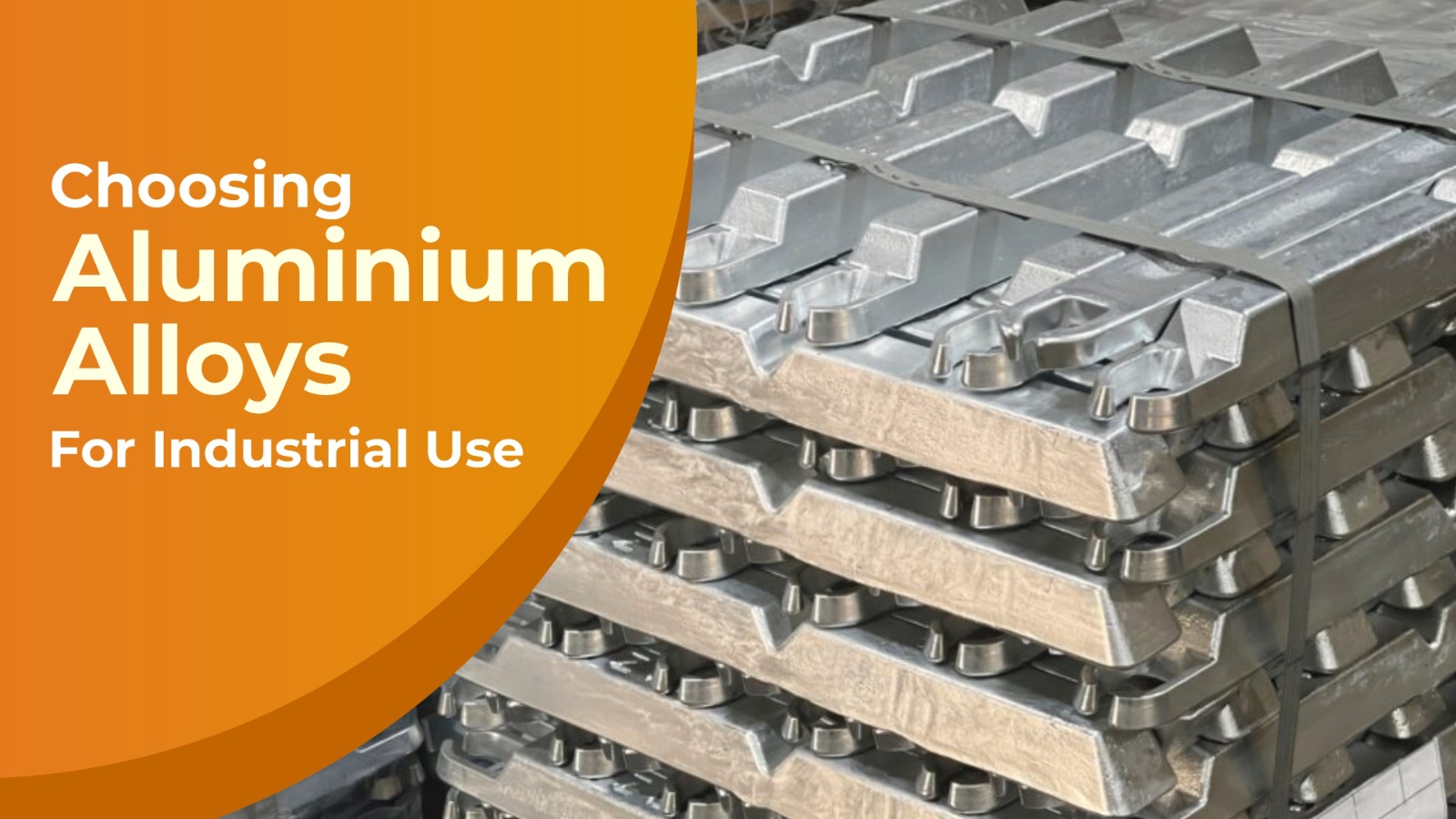
Selecting the right material is a critical decision for industries that rely on performance, reliability, and long-term value. Aluminium is a preferred choice across multiple sectors due to its lightweight nature, excellent corrosion resistance, and versatility.
However, not all aluminium alloys perform the same. Understanding alloy grades, properties, and application-specific requirements is essential when selecting aluminium alloys for demanding environments. This is where A Guide for Choosing Aluminium Alloys for Industrial Use becomes a practical reference for informed decision-making.
At INEX, aluminium alloy selection begins with complete control over quality and consistency. It produces maximum-size billets using advanced Ceramic Filtration Technique. This ensures superior metal cleanliness, consistent chemistry, and enhanced durability of aluminium alloys. By offering alloys that meet Indian and international standards, INEX enables industries to confidently select aluminium solutions suited to critical applications.
Why Aluminium Alloys Are Essential for Industrial Use
Pure aluminium offers good corrosion resistance and thermal conductivity, but it lacks the mechanical strength required for most industrial uses. By alloying aluminium with elements such as magnesium, silicon, copper, or zinc, manufacturers create aluminium alloys for industrial use that deliver higher strength, improved durability, and better performance.
These are widely used as aluminium alloys for construction, manufacturing, automotive industry, aerospace applications, electrical applications, and solar panel frame structures. Each application demands specific material characteristics, making alloy selection a strategic process rather than a standard choice.
Key Factors to Consider When Choosing Aluminium Alloys
Mechanical Stability and Strength-to-Weight Ratio:
One of aluminium’s biggest advantages is its excellent strength-to-weight ratio. Structural and load-bearing applications require alloys with higher tensile strength, while transport and modular systems benefit from lightweight aluminium that reduces overall load without compromising safety.
Corrosion Resistance and Durability:
Industrial environments often expose materials to moisture, chemicals, and temperature fluctuations. Aluminium alloys with high corrosion resistance are critical for outdoor and coastal installations. Selecting the right alloy ensures long-term durability of aluminium alloys with minimal maintenance.
Thermal and Electrical Performance:
Certain applications require strong thermal conductivity, particularly in electrical and energy systems. Aluminium alloys are commonly used in electrical applications where efficient heat dissipation and conductivity are essential.
Weldability and Machinability:
Fabrication requirements play a major role in alloy selection. Some alloys offer excellent weldability of aluminium, making them ideal for frames and assemblies, while others provide superior machinability of aluminium, allowing precise cutting, drilling, and shaping with reduced tool wear.
Understanding Aluminium Alloy Grades
An effective selection guide begins with understanding alloy grades and series:
- 1xxx Series: High-purity aluminium with excellent conductivity
- 3xxx Series: Good formability and moderate strength for general use
- 5xxx Series: Strong alloys with superior corrosion resistance
- 6xxx Series: Balanced strength, weldability, and corrosion resistance
- 7xxx Series: High-strength alloys used in demanding aerospace applications
Understanding heat-treatable aluminium alloys versus non-heat-treatable ones helps industries select materials based on performance and fabrication needs. A proper aluminium alloy comparison ensures the best match between material properties and application demands.
Applications Across Key Industries
- Construction and Infrastructure: Aluminium alloys provide strength, corrosion resistance, and longevity in structural frameworks.
- Automotive Industry: Lightweight alloys improve fuel efficiency and reduce emissions while maintaining safety.
- Aerospace Applications: High-performance alloys deliver strength under extreme stress and temperature variations.
- Electrical Applications: Aluminium supports efficient conductivity and heat dissipation.
- Solar Panel Frame Structures: Aluminium ensures long-term stability and outdoor durability for renewable energy systems.
Why INEX Leads in Aluminium Alloy Solutions
INEX stands apart by controlling every stage of aluminium production, starting from billet casting. Its in-house Hot Top Casting Foundry, oil-fired melting process, and Ceramic Filtration Technique ensure clean metal, consistent alloy composition, and high structural integrity. INEX supplies aluminium alloys that meet strict Indian and international standards, making it a trusted partner for industries seeking the best aluminium for various applications.
By combining technical expertise with precision manufacturing, INEX supports customers in choosing the right aluminium alloy for performance-driven applications.
Conclusion
A Guide For Choosing Aluminium Alloys for Industrial Use highlights how selecting the appropriate alloy is essential for achieving optimal strength, durability, efficiency, and long-term performance. Across construction, manufacturing, the automotive industry, aerospace applications, electrical systems, and solar panel frame structures, informed alloy choices play a crucial role in ensuring reliability and consistent results.
With advanced in-house casting facilities, rigorous quality control, and strong technical expertise, INEX continues to set high standards in aluminium alloy manufacturing. Partnering with INEX provides industries with dependable aluminium solutions designed for precision, uniformity, and sustained industrial performance.