Have you ever wondered how modern structures, vehicles, and energy systems are becoming more efficient without sacrificing their strength or design? The secret often lies in a metal that’s both light and resilient, that is aluminium and in the art of shaping it through extrusion.
From high performing electric vehicles to renewable power systems, aluminium extrusions are redefining what energy efficiency means in the modern world. Their unique blend of lightweight strength, thermal control, and recyclability helps industries lower energy use and reduce carbon footprints at every stage, from design to operation.
1. Lightweight Designs
In energy efficiency, weight matters the most. The lighter a structure or vehicle, the less energy it consumes to function. And this is where aluminium comes to picture.
Replacing heavier materials like steel with extruded aluminium components in automobiles, railways, and aircraft significantly reduces fuel and energy consumption. Research suggests that every 1 kg of steel replaced with aluminium can cut a vehicle’s lifetime CO₂ emissions by up to 9 kg.
For electric vehicles (EVs), aluminium extrusions enhance battery efficiency by reducing overall mass and improving thermal management. Lightweight frames, panels, and battery housings allow EVs to travel farther on a single charge, which is a vital advantage in the race toward sustainable mobility.
2. Smart Architecture:
Modern architecture is not just about appearance - it’s about performance. Aluminium extrusions are revolutionizing how buildings use and conserve energy.
Used in window frames, facades, doors frames, and curtain walls, aluminium extrusion profiles can be designed with thermal breaks, insulating barriers that reduce heat transfer. This keeps interiors cooler in summer and warmer in winter, reducing the need for heating and air conditioning.
Aluminium allows for slimmer frames and larger glass panels, helping buildings receive more natural daylight by reducing the need for artificial lighting. Its corrosion resistance with long life. It also cuts down the energy and resources needed for maintenance and replacement, which is a quiet but strong contribution to sustainable design.
3. Renewable Energy:
The journey toward clean energy is built on materials that can withstand nature’s extremes while optimizing performance. And aluminium is one of them.
In solar photovoltaic (PV) systems, extruded aluminium is used for panel frames, mounting rails, and support structures. It’s lightweight, weather-resistant, and easy to assemble, which helps lower installation energy costs and ensures decades of reliable operation.
Even in wind energy, aluminium extrusions play a part, offering corrosion-resistant and stable components that keep turbines efficient in coastal and offshore environments.
4. Thermal Management in Technology and Industry
Energy efficiency doesn’t stop with construction or transportation, it extends to the devices and machinery we use daily. Aluminium extrusions are widely used in heat sinks, which help regulate temperature in everything from LED lights and computers to industrial machinery.
Aluminium’s high thermal conductivity (around 235 W/m•K) allows it to absorb and dissipate heat quickly, preventing overheating and improving device efficiency. These small yet vital components ensure electronics consume less power, perform better, and last longer by proving that energy efficiency often starts from a small level.
5. The Recycling Advantage:
One of aluminium’s greatest strengths lies not just in how it’s used, but in how easily it can be used again. Recycling aluminium requires only 5% of the energy needed to produce it from raw materials.
Recycling just one tonne of aluminium saves nearly 9 tonnes of CO₂ emissions and 8 tonnes of bauxite ore. This makes it one of the most energy-efficient and sustainable materials available today.
The extrusion process itself supports a circular economy. Old frames, automotive parts, or construction profiles can be melted down and re-extruded into new products without any loss in quality. As industries adopt low-carbon manufacturing and eco-friendly coatings, aluminium continues to lead the way in energy-conscious production.
6. Durability and Longevity:
True energy efficiency means designing systems that last longer and waste less. Aluminium’s natural oxide layer protects it from corrosion and degradation, even in extreme environments.
With anodized or powder-coated finishes, extruded aluminium structures remain strong, stable, and aesthetically pleasing for decades by reducing the need for replacements, repairs, and excess energy use in maintenance. Longevity itself becomes a form of sustainability.
Applications of Aluminium Extrusions:
• Window and door frames for residential and commercial buildings
• Curtain walls used in high-rise towers
• Solar panel mounting structures
• Rail and transport components
• Industrial ventilation and structural systems
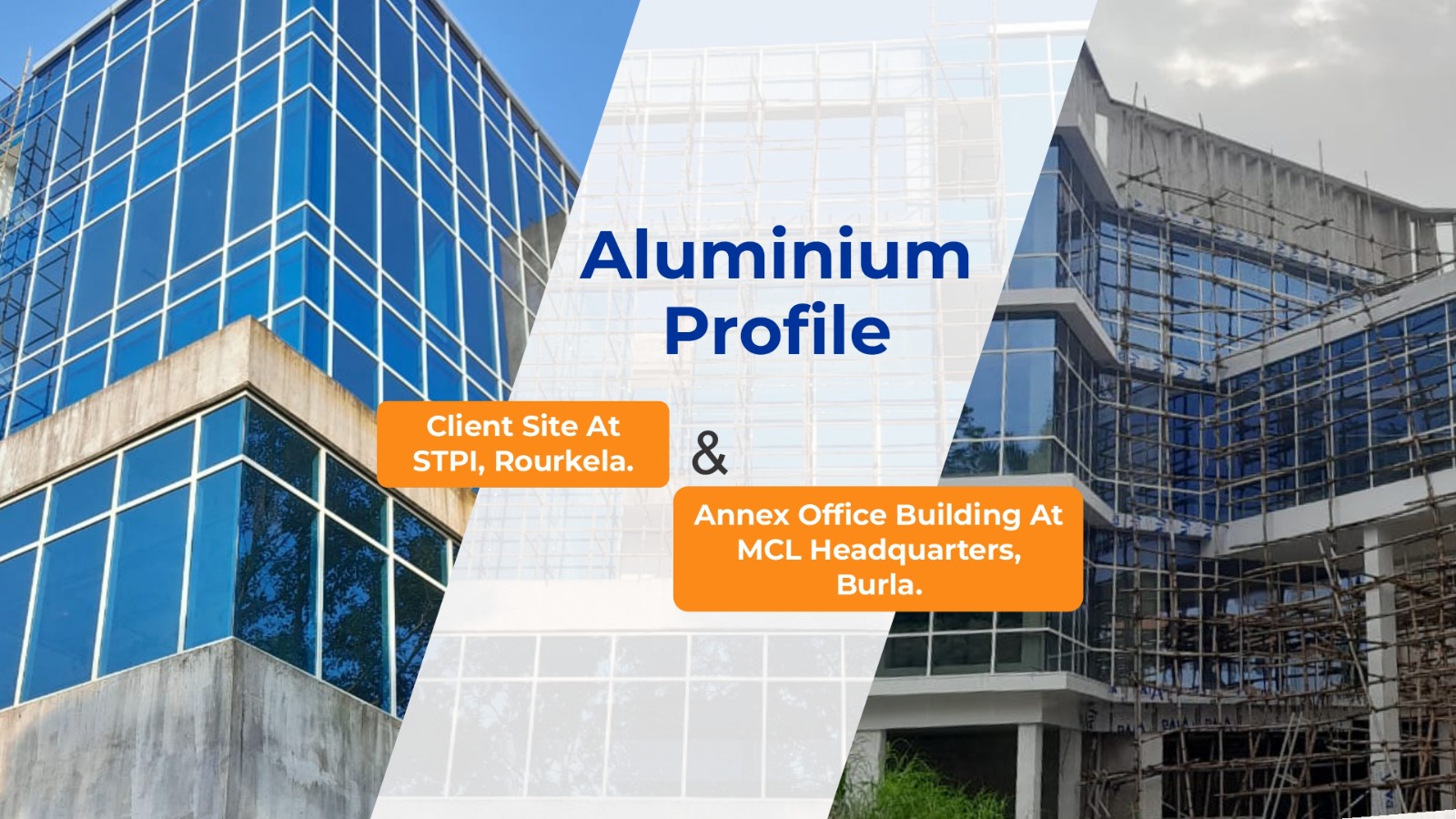
INEX recently supplied custom aluminum profiles for several projects across Odisha. The frames delivered a clean modern look with precise finishing, giving each project a premium appearance. Clients also reported strong structural stability and long lasting durability compared to previous materials.
INEX: Advancing Energy-Efficient Aluminium Solutions
When it comes to energy-efficient aluminium extrusions, INEX stands out as a brand that truly embodies sustainable innovation. With precisely engineered aluminium profiles designed to reduce thermal loss and improve insulation, INEX supports architects and builders in creating smarter, greener structures. The custom aluminium profiles, solar frames, and structural systems are crafted for high performance and long-term durability. Backed by eco-friendly manufacturing and efficient recycling practices, INEX offers solutions that not only enhance energy efficiency but also contribute to a lower carbon footprint in every project.
Conclusion:
From modern buildings to renewable energy systems, aluminium extrusions are redefining how industries approach energy conservation. Their lightweight strength and excellent thermal control help reduce heat transfer, minimize energy loss, and support the creation of efficient, sustainable structures across sectors.
As the push toward low-carbon development intensifies, aluminium extrusions will play an even greater role in shaping smarter, greener technologies. In many ways, the journey toward improved energy efficiency isn’t just designed or engineered, it is extruded into reality.
To explore region‑specific aluminium solutions or request samples for your next project, contact INEX today.