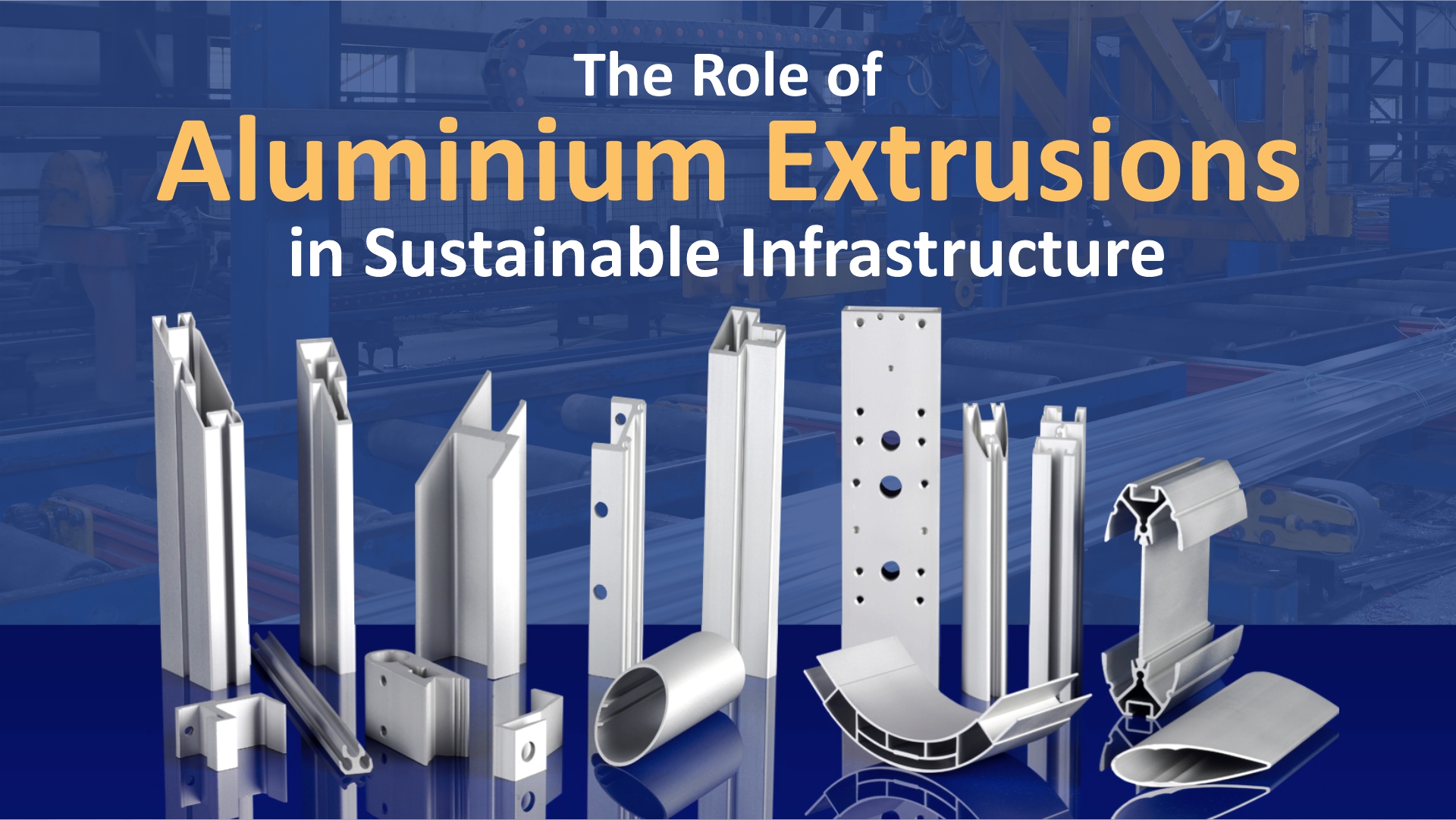
Have you ever wondered what keeps modern cities strong yet sleek, durable yet eco-friendly? The answer lies in Aluminium Extrusions, which are innovative, recyclable and shaping the future of architecture.
Whether in high-rise facades, electric vehicles, or renewable energy systems, aluminium extrusions are driving the transformation toward a low-carbon future and green manufacturing. Their unique blend of flexibility, reusability, and exceptional strength-to-weight balance makes aluminium extrusions a top choice for architects, engineers, and designers shaping sustainable cities. From modern bridges to vast solar installations, these finely crafted aluminium extrusion profiles, developed with the expertise of leading Aluminium extrusion manufacturer India, are helping build a future that’s both energy-efficient and environmentally conscious.
When it comes to precision, durability, and design excellence, Inex stands among one of the most trusted names in aluminium extrusion manufacturing. With advanced technology and a commitment to sustainability, Inex delivers tailor-made extrusion solutions that bring modern architectural visions to life strong, sleek, and built to last.
What Makes Aluminium Extrusions Sustainable?
The sustainability of aluminium begins with its remarkable recyclability. Unlike most materials, aluminium can be recycled repeatedly without losing its strength or quality and the process requires only 5% of the energy used for primary production.
In other words, aluminium extrusions from today’s infrastructure can be seamlessly reused in tomorrow’s projects, perfectly representing the circular economy in action. Aluminium profiles for construction, architectural use, and industrial applications are leading this change, offering durable, lightweight, and energy-efficient solutions across sectors.
At Inex, this vision of sustainability comes to life through innovation and precision. As a trusted custom aluminium profile exporter, Inex is redefining modern manufacturing with eco-friendly processes and high-quality extrusions designed for a greener, more efficient future.
As per Research, the global aluminium extrusion market is expected to surpass USD 130 billion by 2030, largely driven by its growing role in various sustainable industries, such as
- Buildings and Architecture
Modern architecture is not just about beauty- it’s about responsibility. Aluminium profiles for architectural use are helping architects create buildings that are both aesthetically pleasing and environmentally conscious.
From aluminium profiles for sliding windows and railings to aluminium profiles for doors and roofing systems, it plays a crucial role in reducing structural weight while enhancing thermal efficiency. Advanced thermally insulated frames help regulate indoor temperatures naturally, cutting down on energy consumption for heating and cooling.
Aluminium’s natural resistance to corrosion, along with options for eco-friendly anodizing or powder-coated finishes, ensures long-lasting performance with minimal maintenance. This durability reduces both waste and the overall lifecycle cost of a building. Inex provides high-quality aluminium profiles that reduce structural weight while improving thermal efficiency.
- Renewable Energy
Sustainability and Energy-efficient Aluminium production are central to this transformation.
In solar mounting systems, aluminium is the material of choice for panel frames, mounting rails, and structural supports. Its lightweight strength, resistance to UV exposure, and durability make it ideal for enduring harsh outdoor conditions while simplifying installation.
The International Energy Agency (IEA) projects that global solar photovoltaic (PV) installations’ capacity will rise from 1,200 GW to over 5,000 GW by 2030. With aluminium comprising roughly 85% of the materials used in solar frames, it is set to be a critical driver of this growth. Inex, with its advanced extrusion technology and precision-engineered profiles, plays a key role in supporting this renewable revolution through sustainable and high-performance aluminium solutions.
Aluminium extrusions also contribute significantly to wind energy systems, providing robust, corrosion-resistant components for turbines in both coastal and offshore settings, ensuring reliability and longevity in renewable energy infrastructure.
- Transportation Infrastructure
Transportation accounts for nearly one-fourth of global CO₂ emissions, and reducing vehicle weight is one of the most effective ways to curb it. These are now used extensively in Aluminium bus shelters, rail systems, and aviation, replacing heavier materials like steel. Inex aluminium extrusions help make these structures lighter, more durable, and energy-efficient.
Switching just one kilogram of steel to aluminium can cut a vehicle’s lifetime CO₂ emissions by up to 9 kilograms. This weight reduction is particularly valuable for electric vehicle batteries, where aluminium frames and battery enclosures enhance energy efficiency and extend driving range.
Beyond vehicles, aluminium extrusions are shaping public infrastructure as well. Bridges, flyovers, metro rail components, and EV charging stations benefit from their lightweight durability, corrosion resistance, and design flexibility, making transportation systems more sustainable and resilient.
- Smart Cities and Modular Infrastructure
The future of infrastructure lies in modularity, and aluminium is the ideal material for it. Its extrudability allows manufacturers to create Modular Aluminium systems for urban furniture, lighting poles, solar rooftops, and pedestrian shelters that are lightweight, easy to assemble, and fully recyclable.
With the rise of smart cities, demand for modular aluminium structures that integrate renewable energy systems and IoT-based technologies is rapidly growing. Many modern city projects now use pre-fabricated aluminium units to reduce on-site waste and construction time while maintaining long-term sustainability.
Inex, a leading name in aluminium extrusion technology, provides precision-engineered modular solutions that meet the evolving needs of sustainable urban design.
- The Circular Economy and Environmental Advantage
Aluminium’s sustainability extends beyond its use- it’s also about how it returns to the system. Recycling aluminium saves up to 95% of the energy required to produce it from raw materials and reduces greenhouse gas emissions significantly.
Recycling just one tonne of aluminium can save approximately 9 tonnes of CO₂ and 8 tonnes of bauxite ore, making it one of the most eco-friendly industrial materials available.
To further enhance its green credentials, manufacturers worldwide are implementing eco-conscious anodizing and powder-coating techniques, complying with ISO 9001, ISO 14001, and RoHS standards, and investing in low-carbon production technologies to minimize overall environmental impact.
Inex, committed to eco-conscious manufacturing, ensures that every aluminium extrusion aligns with global sustainability goals through efficient recycling and low-energy production practices.
- Durability
Sustainable infrastructure isn’t just about being green; it’s about being long-lasting. Aluminium naturally forms a protective oxide layer that prevents rust and degradation, even in harsh coastal or industrial conditions.
With additional surface finishes, its lifespan extends further, ensuring that bridges, solar mounts, facades, and industrial structures remain functional and visually appealing for decades with minimal maintenance. This durability contributes directly to sustainability by reducing the need for frequent replacements and repairs.
Inex, engineered for strength and resilience, deliver exceptional durability that stands the test of time.
Conclusion: Shaping a Sustainable Future
From towering urban skylines to sprawling solar installations, aluminium extrusions serve as the unseen backbone of sustainable development durable, lightweight, fully recyclable, and essential for a greener planet. As nations invest in net-zero infrastructure, clean energy, and smart mobility, aluminium’s role will only expand. Its combination of technical performance, design flexibility, and environmental responsibility positions it as one of the most crucial materials for tomorrow’s world.
At the forefront of this transformation, Inex continues to redefine what’s possible with aluminium. Through advanced extrusion technology, sustainable manufacturing practices, and precision-engineered designs, it provides the foundation for modern architecture, clean energy systems, and future-ready facilities helping the world build stronger, smarter, and more sustainably.
In short, the future of sustainable infrastructure is not just built it’s extruded.